
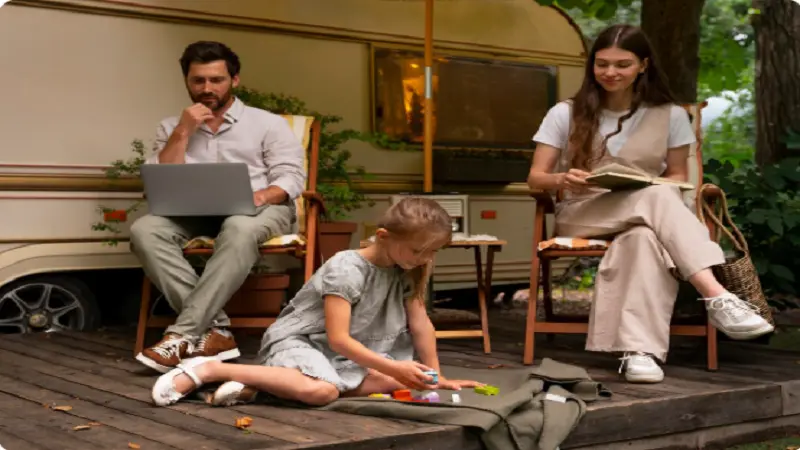
Modern lifestyles are changing rapidly, and families today are redefining what it means to live, learn, and grow together. One of the most interesting developments is the rise of family-centered travel and flexible living, where education, work, and exploration happen beyond traditional boundaries. This approach focuses on shared experiences, adaptability, and meaningful connections rather than fixed routines. The concept often associated with mcnamara thehometrotters reflects this evolving mindset, emphasizing balance between family life, personal growth, and exposure to the wider world.
The Idea of a Flexible Family Lifestyle
A flexible family lifestyle is built on the idea that learning and development do not only take place in classrooms or fixed environments. Instead, families create opportunities through daily interactions, exploration, and shared responsibilities. This approach allows children to learn practical skills, cultural awareness, and independence from a young age.
Families who adopt this mindset prioritize experiences over possessions. They value time spent together, adaptability, and open communication. Rather than following rigid schedules, they allow room for curiosity, creativity, and growth, helping children become confident and resilient individuals.
Learning Beyond Traditional Education
Education plays a major role in family development, but learning does not have to follow a single path. Many families choose to combine formal education with experiential learning. This can include reading, problem-solving, creative projects, and real-world observation.
Children benefit from exposure to different perspectives and environments. Learning through experience encourages critical thinking and curiosity. The philosophy behind mcnamara thehometrotters highlights the importance of learning as a continuous process, not limited by location or strict methods.
Strengthening Family Bonds Through Shared Experiences
Strong family relationships are built through time, trust, and shared moments. When families spend quality time together, children feel secure and supported. Shared experiences—such as cooking together, planning activities, or solving challenges—strengthen communication and understanding.
These moments also teach children cooperation, patience, and empathy. Parents and children learn from one another, creating a sense of teamwork. A lifestyle centered on togetherness allows families to grow emotionally and socially while navigating everyday responsibilities.
Teaching Responsibility and Independence
Children develop confidence when they are trusted with responsibilities. Age-appropriate tasks help them understand accountability and self-reliance. Simple activities such as organizing personal belongings, helping with planning, or managing small decisions encourage independence.
Parents who support independence while providing guidance help children feel capable and valued. This balance is often emphasized in family-focused lifestyles, including ideas associated with mcnamara thehometrotters, where responsibility is seen as a tool for personal growth rather than pressure.
Embracing Cultural Awareness and Adaptability
Exposure to different cultures, traditions, and ways of life broadens a child’s perspective. Understanding diversity encourages respect, tolerance, and curiosity. Families who prioritize cultural awareness teach children to appreciate differences and find common ground with others.
Adaptability is another key skill developed through varied experiences. When children learn to adjust to new situations, they become better problem-solvers. These qualities are essential for navigating an ever-changing world with confidence and empathy.
Balancing Structure and Freedom
While flexibility is important, children also need structure to feel secure. Healthy routines provide stability, while freedom allows creativity and exploration. Successful family lifestyles balance both elements.
Clear expectations, regular communication, and consistent values help children understand boundaries. At the same time, allowing choice and exploration encourages independence. This balance supports emotional well-being and helps families function harmoniously.
Managing Challenges and Uncertainty
Every lifestyle comes with challenges. Uncertainty, changes in routine, and unexpected situations can be stressful for both parents and children. However, challenges also present opportunities for growth and learning.
Families who approach difficulties with calmness and teamwork set a positive example. Problem-solving together builds resilience and trust. The experiences linked to mcnamara thehometrotters show that challenges can strengthen family bonds when handled with patience and understanding.
Encouraging Emotional Intelligence
Emotional intelligence is essential for healthy relationships and personal well-being. Parents play a key role in helping children understand and express emotions. Open discussions about feelings teach children that emotions are normal and manageable.
When children feel heard and supported, they develop self-awareness and empathy. These skills help them build strong relationships and handle stress effectively throughout life.
Creating Meaningful Daily Routines
Daily routines do not need to be rigid to be effective. Simple rituals such as shared meals, reading time, or evening conversations create a sense of comfort and connection. These routines provide stability while allowing flexibility.
Meaningful routines help children feel grounded and valued. They also strengthen communication and trust within the family, contributing to a positive home environment.
The Long-Term Impact on Children
Children raised in supportive, experience-rich environments often grow into adaptable and confident adults. They learn how to communicate effectively, respect others, and approach challenges with resilience. These qualities benefit them in education, relationships, and future careers.
A lifestyle focused on learning, connection, and adaptability prepares children for real-world situations. It encourages lifelong curiosity and a strong sense of identity.
Conclusion
Family life is constantly evolving, and there is no single path that guarantees success. What matters most is creating an environment filled with support, understanding, and shared growth. By valuing experiences, communication, and emotional well-being, families can build strong foundations for the future.
The ideas often reflected in mcnamara thehometrotters remind us that family strength comes from connection, flexibility, and mutual respect. When parents and children grow together, they create a meaningful and balanced life built on trust, learning, and shared purpose.See